Last updated: July 2026. Dates and prices reflect current Saudi permit rules and 2026 Ramadan calendar.
The question I get asked more than any other is some version of: when’s the best time to perform Umrah? And I’ve probably said the same thing back forty-odd times now: it depends who’s asking.
Not in an evasive way. Genuinely. The answer for a 65-year-old with a bad knee is a different answer than for a 28-year-old who books flights the way other people book taxis. It’s a different answer if you’re bringing your kids, if you’re going for the first time, if the spiritual atmosphere matters more than the crowd level, if you’re coming from the UK and need it to line up with school holidays.
So here’s how I actually think through this question with people.
Why Timing Your Umrah Matters More Than Most Guides Admit
Makkah in January sits at around 31 degrees in the afternoon. Makkah in June averages 44 degrees, and once the marble and concrete have been sitting in that sun for a few hours, the ground surface hits 60-something. I think about the 2024 Hajj figures when this conversation comes up: 1,301 pilgrims died in that heat. Most were unregistered, so no air-conditioned transport, no managed logistics. I’m not saying Umrah is Hajj, the situations are different. The heat isn’t.
Seven circuits of Tawaf is roughly 11 or 12 kilometres depending on how close to the Kaaba you manage to get. Sa’i adds another 3.5. None of that changes between January and August. What changes is whether your body can handle it.
What Makkah Actually Feels Like Each Month: A Realistic Season Guide
I’ll go through the year, but I want to be upfront that the weather data is only part of the picture. I’ll flag the crowd and cost context where it matters more than the temperature.
November and early December are where I usually start when someone asks me for a month. Around 35 to 36 degrees high in November, dropping nicely in the evenings. Crowds are moderate, meaning you’ll have company but you won’t feel like you’re being managed through a crowd control system. Prices are the last reasonably-priced window before December holiday surges kick in. For most people I talk to, this is the answer.
December splits badly and nobody explains this clearly enough. The first three weeks of December are actually one of the quieter international periods. Then around December 21 the UK and European Christmas break begins and everything changes. Prices jump, often significantly. International arrivals spike. It’s the same calendar month but a genuinely different experience. If December works for you logistically, go in the first half.
January is better than most people assume. You get low 30s in Makkah with evenings that are genuinely comfortable, people who’ve only experienced Ramadan or late-December Umrah are sometimes surprised by how pleasant it is. The catch is Madinah at night, which can drop to 12 degrees. Cold enough that the pre-Fajr walk outside in a thin shalwar becomes an unpleasant surprise if you weren’t warned, so pack a layer. By mid-January the New Year holiday spike has cleared and the crowd size is manageable. Prices are also lower than November, which makes no sense given similar conditions, but fewer people think of January as Umrah season and you benefit from that disconnect.
February is interesting because it’s the driest winter month (genuinely almost no rainfall, which sounds minor until you’ve been caught in a Makkah downpour and watched the outdoor Tawaf area turn into a paddling pool). The issue is that by February, Ramadan is visible on the horizon and packages start pricing up. If Ramadan is falling in March, you’ll feel the premium creeping in from mid-February onward.
March and April depend almost entirely on where Ramadan falls in your specific year. Over the next couple of years it’s landing in February and March, so check the Islamic calendar before planning anything around this window, what applies one year may be completely different the next. After Ramadan empties out, late March and into April can actually be quite calm. The heat is building by then, touching 40 by end of April, but that’s workable for healthy adults who aren’t heading out at 2pm for Tawaf.
May is difficult. Heat is up around 42 degrees and the Umrah visa situation gets complicated, Umrah permits stop being issued from 1 Dhul Qi’dah, which depending on the year falls in April or May. Most people don’t know this until they’ve already started planning. I’ll come back to this in the Dhul Hijjah section because it’s the most underexplained practical thing in all of Umrah travel.
Summer (June through September) I’ll do these together because the heat story doesn’t change much: 43 to 44 degrees high in Makkah, 30 degrees at night, with ground temperatures above 60 in direct afternoon sun. What does change is the crowd situation. What happens to the Haram in the weeks after Hajj clears would genuinely surprise anyone who’s only seen it during busy periods. By Muharram (mid-June to mid-July in 2026), the Saudi Ministry social team starts posting courtyard images that look almost unrecognisable from Ramadan, a fraction of the crowd, actual space, room around the Kaaba. The tradeoff is real and I’ll get into who summer actually suits below.
October is where autumn starts doing something useful. Cooling begins in the second half of the month, still 40 degrees early October, but by late October you’re seeing high 30s. Crowds are moderate. The UK autumn half-term in late October brings a bump from British Muslim families but it’s nothing like Ramadan or late December. Multiple travel agencies call October the sweet spot for first-timers, and based on what I’ve seen, that holds up.
Ramadan Umrah: The Spiritual Case and What Experienced Pilgrims Actually Say
There’s a hadith in both Sahih Bukhari and Muslim, performing Umrah in Ramadan carries the reward of performing it with the Prophet, sallallahu alayhi wa sallam. That’s the hadith. I don’t have a way to improve on it and I’m not going to try.
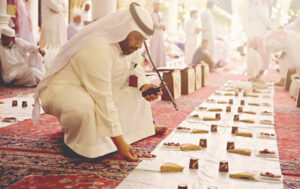
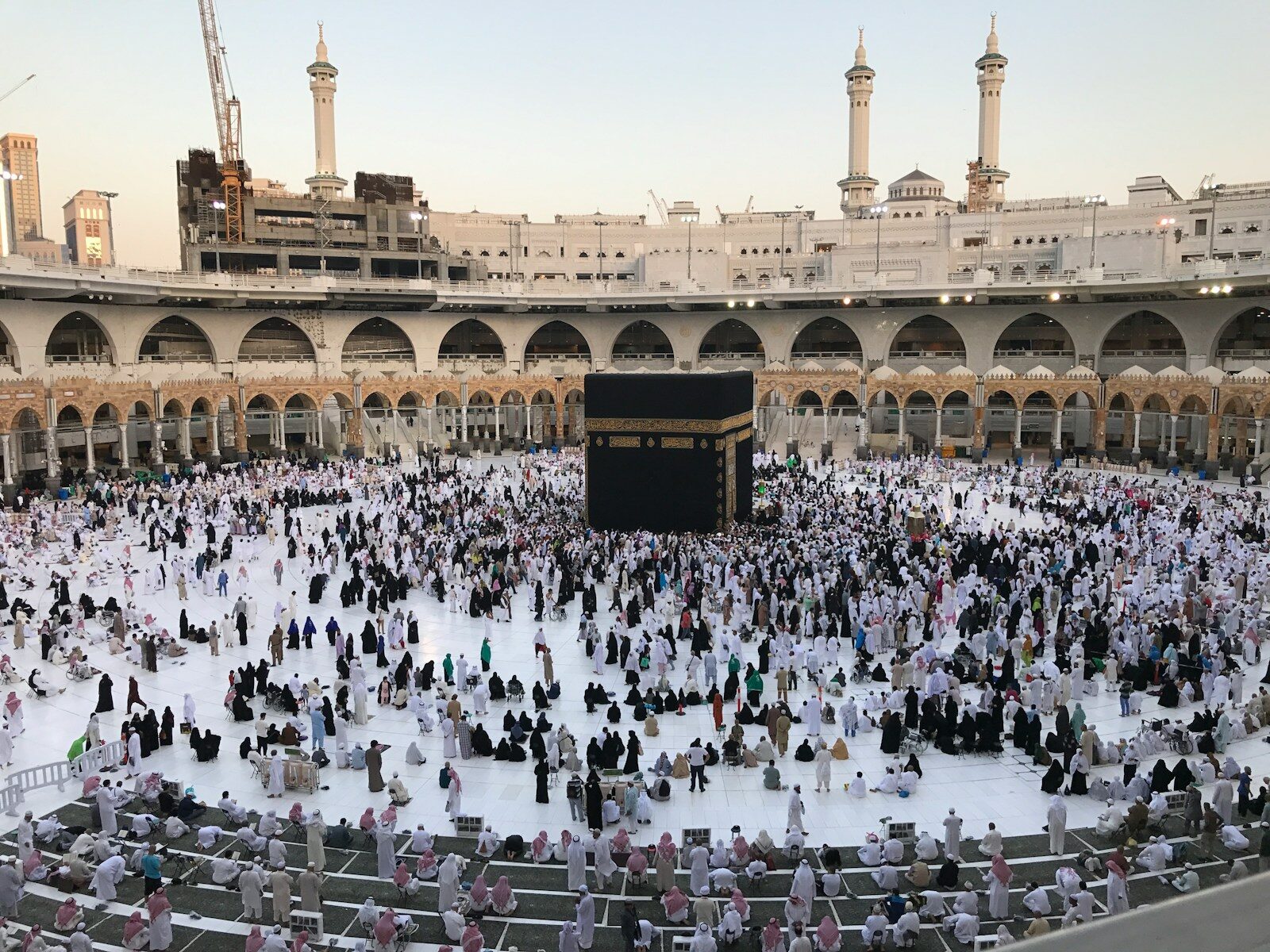
25 million worshippers visited the Grand Mosque in the first ten days of Ramadan 2025 alone. That’s the Saudi GASTAT official figure. Let that sit.
Ramadan 2026 runs from approximately February 17 to March 18. A few things worth knowing before you start looking at packages. Your Nusuk permit is single-use, one registered Umrah per pilgrim per season. After that you can do additional Tawaf and Sa’i without Ihram, but you’re not getting another formal permit. International pilgrims must leave by April 18, with last entry on April 2. For anyone specifically going for the last 10 nights, Laylatul Qadr, I can’t overstate how quickly those packages disappear, sold out within hours of going live, often 6 months in advance. I’ve spoken to clients in late December who wanted late February and found nothing sensible left at any price.
Pricing from the UK for the first 20 days of Ramadan tends to sit between £1,200 and £2,500 for a mid-range 4-star with reasonable Haram proximity. The last 10 nights are a separate category, when you can find them, which gets harder each year, you’re looking at £2,500 to £4,500 or above.
Ramadan genuinely works for pilgrims who’ve already done Umrah at least once and know the rituals well enough to navigate them in a very compressed crowd. Hotel proximity in Ramadan isn’t the comfort consideration it is in October, it’s a sanity one. And it makes most sense for people who specifically want the Tarawih experience at Masjid al-Haram, which is something no other time of year offers. If that combination describes you, go in Ramadan.
Who should think carefully: elderly pilgrims fasting in 30-something-degree heat in a crowd of millions is not a theoretical concern. I’ve watched people who planned this trip for months spend half of it exhausted in their hotel room. Same for families with children under 10. And for anyone doing Umrah for the first time, learning where to stand for Tawaf, which direction to count circuits, how to pace Sa’i, the Ramadan crowd is not where you want to figure this out for the first time. These aren’t reasons to never go in Ramadan. They’re reasons to be honest about whether your situation suits it.
The Dhul Hijjah Visa Suspension: What Most Guides Don’t Actually Explain
This is probably the most practically important thing I can tell you and it’s consistently buried or skipped.
Umrah permit issuance closes on 1 Dhul Qi’dah, the month before Dhul Hijjah, and doesn’t reopen until the 15th of Dhul Hijjah. In 2026 that translates to roughly late April through mid-June. During that stretch, nothing gets you into Makkah except a Hajj permit. Your existing multi-entry Umrah visa doesn’t help. Attempting entry without a Hajj permit brings a fine of up to SAR 20,000. Saudi residents who try it face a 10-year re-entry ban. People underestimate how enforced this is.
The part that confuses pilgrims who’ve done some reading: Dhul Qa’dah, the month before the restriction begins, is one of Islam’s four sacred months and plenty of blogs recommend it for Umrah. What they don’t always spell out is that the closure kicks in at the start of Dhul Qi’dah, not the end. Dhul Qa’dah is actually a viable window, you just need to be on the ground with a valid visa before that cutoff date. And because the Islamic calendar shifts each year relative to the Gregorian dates, last year’s window doesn’t tell you anything about this year’s. Check the Nusuk platform for the exact dates in your travel year.
Permits return on 15 Dhul Hijjah. In 2026 that’s around mid-June, which is when Muharram and the post-Hajj quiet begin.
Best Time for Umrah for Elderly Pilgrims and Families: Not the Same Answer
Most guides lump these together under “winter.” The differences matter.
Elderly pilgrims (roughly 60 and over) should be looking at November through early December, then mid-January through February. I’m not going to soften this: walking 15-plus kilometres of Tawaf and Sa’i in 43-degree heat is a genuine health risk for older pilgrims, not a comfort issue. The gap between 34 degrees and 44 degrees sounds like ten numbers. In practice, after an hour outdoors, it’s a completely different physiological situation.
The Haram has electric wheelchairs and support buggies available year-round, which helps with the distances inside. What helps more is hotel proximity, the 400 metres between a hotel that’s a 5-minute walk from the Haram and one that’s a 20-minute walk adds up across a week. For elderly pilgrims especially, I push hard for Zam Zam Tower or immediate-adjacent accommodation even though it costs more.
Families with children in UK school years: October into early November. The UK autumn half-term (October 26 to 30 in 2026) lines up with sensible weather and tolerable crowds. That’s genuinely one of the better family windows of the year. Summer is off the table, children under 10 should not be doing Umrah in 44-degree heat. Not “it’s a bit uncomfortable.” Dangerous.
First-timers, October or mid-January. The reason I keep coming back to these two is mental bandwidth. Getting Tawaf right, remembering which direction, keeping track of circuits, knowing where you are in Sa’i, the Ihram rules: all of that requires actual focus. Doing it under extreme heat or in Ramadan crowd pressure removes that bandwidth. Give yourself conditions where you can actually absorb the experience.
Summer Umrah: Who It Actually Makes Sense For
There’s a real case for summer and I want to make it properly before shooting it down.
Post-Hajj Makkah, Muharram and Safar, roughly June through August 2026, is quieter at the Haram than at almost any point in the year. Saudi Ministry social posts during Muharram have shown courtyard images with a fraction of normal crowds. Hotel rates near the Haram drop 40 to 50% against Ramadan pricing. Economy packages from the UK run £650 to £900 in July and August. And for pilgrims who want the experience of standing close to the Kaaba during Tawaf with actual space around them, that’s only available in summer or very early morning at other times of year.
The honest case against: 1,301 people died in the 2024 Hajj season at 51.8 degrees. That’s the number. Summer Umrah requires all outdoor movement between midnight and 5am, sleeping during the day, living on an entirely inverted schedule for the duration of your trip. The Grand Mosque itself is climate-controlled. The approach walkways, upper-floor Tawaf areas, and the paths between spaces are not.
Summer is appropriate for adults under 60 with no cardiovascular or kidney conditions, no diabetes, genuinely comfortable with a nocturnal schedule for 7 to 10 days. If you’ve never dealt with 44-degree heat and you’re estimating based on a hot day in England, I’d ask you to think again, the gap is significant. Not appropriate for elderly pilgrims, pregnant women, children, or anyone managing chronic health conditions.
The UK summer school holiday (July 22 to August 31) adds a secondary demand spike from British South Asian families, so prices don’t fall as far as you’d expect. The quiet is real. The savings are real but partial.
Cheapest Months for Umrah from the UK: What You’re Actually Trading
For a 7 to 10-day economy package from the UK with flights and hotel, the floor is July and August: typically £650 to £900, the cheapest point of the year. The catch is you already know, the heat. And UK summer school holidays from late July push enough diaspora family demand into that window that prices don’t fall as far as the crowd levels would suggest.
September and October sit just above that, £750 to £1,100, and that’s where I’d start most budget conversations. The heat is still serious in September but manageable for healthy adults who schedule outdoor time sensibly, and by mid-October you’re getting genuine cooling alongside a crowd level that’s actually comfortable.
Mid-January is the window people overlook. Once the post-New Year travellers have cleared, you’re looking at £800 to £1,100 with comfortable weather and crowds that don’t require managing. November is in a similar bracket, £850 to £1,200, similar conditions.
Then there’s a cliff. Late December, Christmas school holidays, pushes packages to £1,200 and routinely above £2,000, for dates that offer no weather benefit over January whatsoever. You’re paying for the school calendar, not Makkah. February pre-Ramadan starts at around £1,000 to £1,500 and rises as the Ramadan date approaches.
Ramadan first 20 days: £1,200 to £2,500 from UK agents, mid-range 4-star near the Haram. Last 10 nights start around £2,500, reach £4,500 and higher when you can find them, which, again, requires booking 6 months ahead or more.
On lead times: November and January trips need 2 to 3 months. December holiday dates: 3 to 4 months minimum. Ramadan: 4 to 6 months, and if you’re targeting the last 10 nights, start looking in September or October of the preceding year.
Muharram: Why It’s the First Thing I Mention to Pilgrims on Their Third or Fourth Umrah
Not their first. Their third or fourth.
In 2026, Muharram runs roughly mid-June to mid-July. The month carries its own significance beyond being the post-Hajj quiet season. Ashura, the 10th, is one of those days whose backstory matters: the Prophet, sallallahu alayhi wa sallam, arrived in Madinah and found the Jewish community fasting. He asked what day it was. They told him it marked Moses’s salvation from Pharaoh. He fasted it himself, and the community did the same. Muharram carries that history, it’s different from being merely uncrowded.
And it is quiet. Post-Hajj exodus is complete, international pilgrim counts are at their annual low, and the Haram in Muharram is about as uncrowded as it gets. Standing close to the Kaaba during Tawaf with room around you. Being able to stop and make a long du’a without a crowd pushing past your shoulder. That experience simply is not available in any other season without getting up at 1am, and even then not reliably.
The tradeoff is summer heat, 44 degrees in Makkah during Muharram. Everything from the summer section applies. You’re living nocturnally, worshipping at night, sleeping through the day. Several pilgrims I’ve spoken to who’ve chosen Muharram deliberately describe it as the most focused Umrah they’ve had. I believe it. But it requires the right physical condition and the right mindset.
Best Time of Day for Tawaf: This Changes More Than People Think
The Saudi Ministry of Hajj has actually published guidance on this. Their recommended windows: 7:30am to 10:30am and 11pm to 2am. Least crowded days of the week: Sunday, Tuesday, Wednesday. Busiest: all day Friday, and the period right after Asr, Maghrib, and Isha prayers any day of the week.
Average Tawaf in non-peak conditions runs about 27 minutes. During peak Ramadan evenings it can stretch past two hours. Same route. Same seven circuits. The crowd is what changes.
Here’s what I tell people: your month of travel sets the baseline, but how you schedule each day can shift the experience nearly as much. A pilgrim going in November who does every Tawaf right after Isha will have a more crowded experience than someone going in March who schedules Tawaf for 1am. Plan the Tawaf windows before you land, not once you’re there. Protect two or three slots a day that hit the recommended windows and treat the rest of your schedule as flexible. It takes about ten minutes to work out before you go and it makes a real difference.
Quick Answer: Best Time for Umrah Based on Your Situation
- Maximum spiritual reward, physically fit, can cover the cost: Ramadan. The first 20 days are more manageable than the last 10 if you’re not specifically seeking Laylatul Qadr.
- First Umrah, want to focus and learn the rituals properly: October or mid-January.
- Elderly pilgrims or travelling with elderly family: November, first half of December, or mid-January.
- Want personal space at the Kaaba and physically fit: Muharram. With honest awareness of the heat.
- Best weather plus reasonable cost: November or first-half December.
- Budget is the main driver: September or October, with heat preparation. July-August if heat genuinely doesn’t bother you.
- UK families with school-age children: October half-term or early November.
- Pregnant or managing health conditions: November through January only, and have the conversation with your doctor before booking anything.
If you’re planning Madinah as part of the same trip, our complete Madinah ziyarat guide covers the site-by-site logistics including the Rawdah gate numbers most guides skip.
For the broader trip, you can browse our Umrah packages or reach us directly. The timing question usually takes about ten minutes to work through once we know the situation, and it saves a lot of stress later.
May Allah accept from everyone who makes this journey.